Dominating the Route Optimization: Strategic Planning can create a Logistics Revolution.


Optimisation of routes does not only involve the speediest route to a destination. It is a plan to reshape the way companies carry out their deliveries, field services, and transportation. Every mile is a dollar and a minute when it comes to moving goods or people. This approach is a game changer in a world where efficiency is king saphyroo.
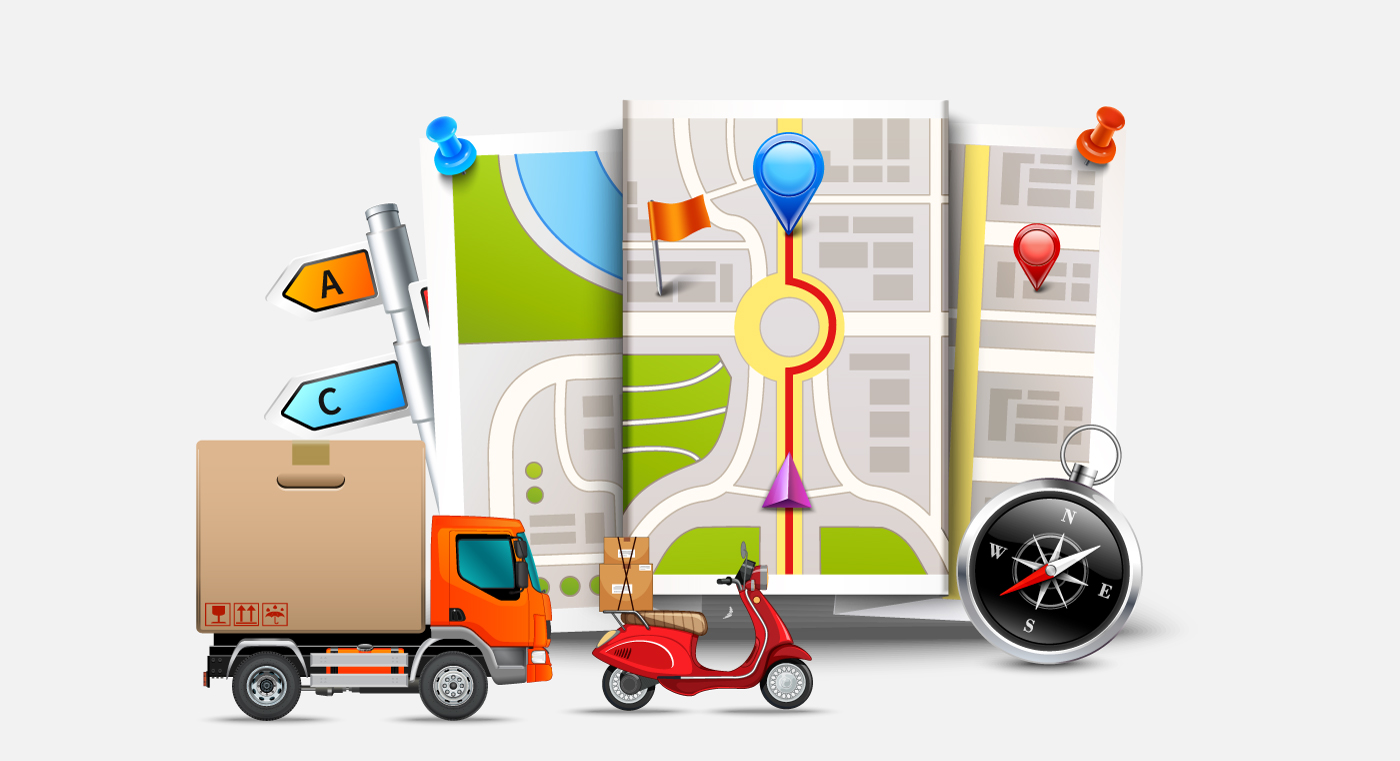
Imagine it in the following way: you have a number of trucks, each of which carries something different. The secret lies in making them all arrive in their destinations in the least amount of time possible without going through the normal bottle necks and traffic. It is a game of Tetris with routes and schedule, but this game has some real-life implications.
You have heard it said time is money more often than you even want to realize. However, with respect to deliveries, it is so. A couple of minutes saved on each trip will add up, particularly with a big operation. This is where route optimization happens to come in. Companies can use the software to analyze traffic patterns, stop priorities, weather, and road conditions as a method of determining the optimal routes. These applications take over the calculators on your behalf, generating smarter schedules and reducing fuel wastage.
However, saving of time is not the end of route optimization. It also miracles with regard to driver satisfaction and safety. A carefully thought-out route will assist motorists to save on unnecessary delays, irritable traffic congestion, and unsafe highways. It is not merely about the commute between point A and point B but without all the hassles of getting lost in a change of direction.
Next, there is the environmental advantage. The reduction in the number of miles travelled translates to less fuel being burnt and hence less carbon footprint by a company. Most companies have begun to embrace green practices in order to attract the green customers. It is not so much about pushing as much as it is about smartening up.
Technology has a major role to play. Gone are the days of hand-drawn maps and attempts to determine the most appropriate route ad hoc. Logistics companies can make changes on the fly with real-time tracking and automated route optimization. When the traffic is congested in a highway, the system can immediately divert a vehicle to prevent congestion. It is not only a tech that is scalable to conditions of large companies. Similar tools can be used by small businesses to ensure smooth and efficient running of their operations.
Finally, the optimisation of routes is an ongoing process. Traffic, road, and weather are never constant. Businesses must meet these changes in order to remain ahead. The adoption of this tech today is not a matter of keeping up with the competition, but a matter of future-proofing your logistics strategy.