Reasons Phuket Property continues to make investors nervous but why they continue going back.


Property prices in Phuket have risen by roughly three times in the last decade. That's not a typo. A property that fetched at 15 million baht as a seaside villa is fetching 45 million. And buyers keep lining up phu quoc real estate.
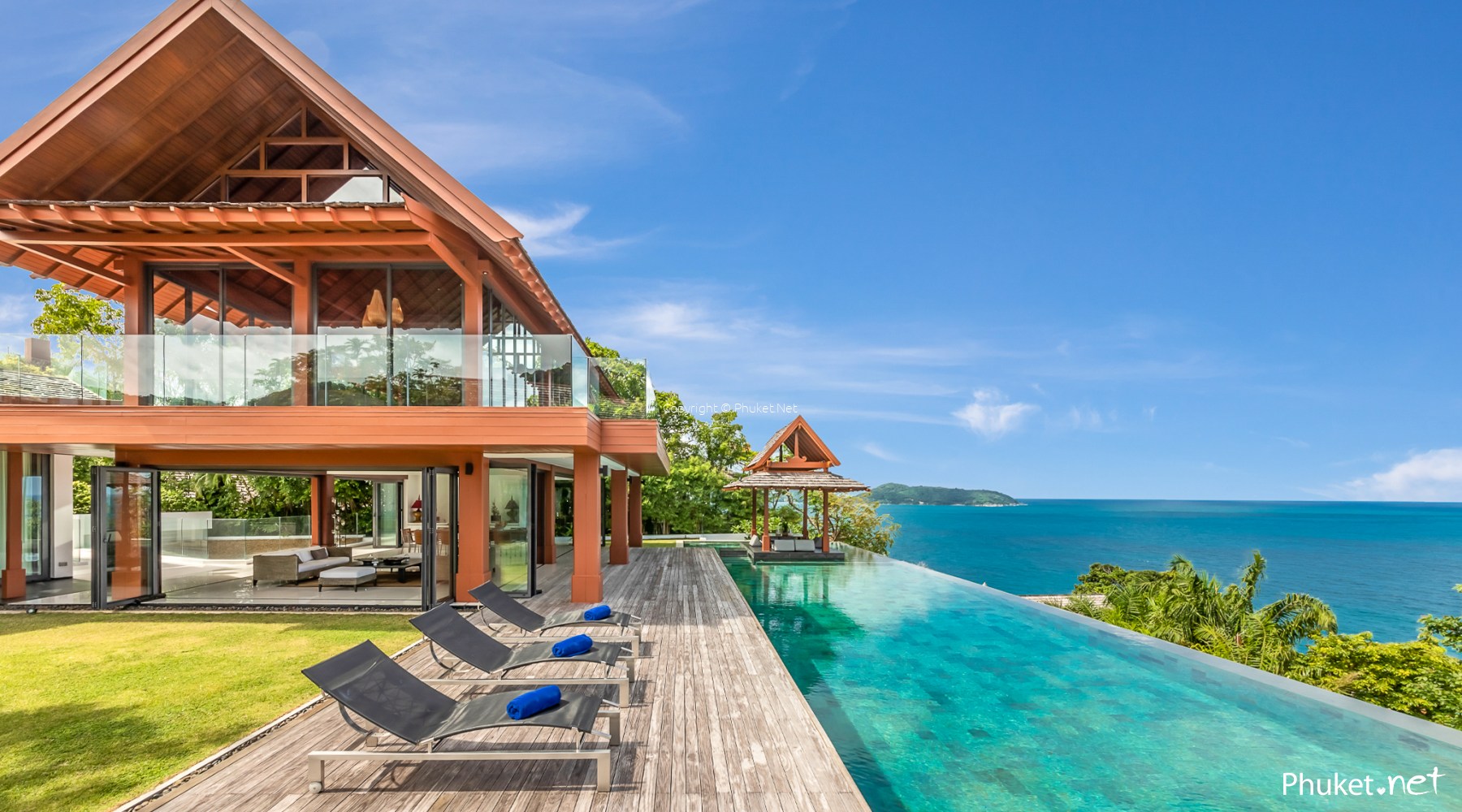
What's fueling the market? A few things. Tourism never truly disappeared in this country — it simply had a COVID-detour and came back with a vengeance. Demand in the long-term to rent by digital nomads surged after 2021. And the island's geography does the work at no cost: you can only go so far before you've reached jungle or mountain or sea.
Phuket is not a single market. Five or six of them are packed onto one island, and assuming they're all the same is how investors get burnt.
Patong? High density, nightlife, short-term rental machine. It is noisy, clamorous, and capital growth tends to lag behind. Rawai and Nai Harn attract a distinct type of resident: expat retirees, families, people who've realized that paradise can exist without the nightlife scene. Bang Tao and Laguna command Bang Tao and Laguna due to golf, beach clubs, and restaurants where the wine list is longer than the menu.
In 2019, one of my friends purchased a 2-bedroom condo in the area of Kata Beach for only slightly less than 4 million baht. He rented it out short-term, earned around 150,000 baht in high season alone, and sold it in 2023 at 5.8 million. No real estate genius here. He simply chose the right area, worked with a reliable manager, and did not panic with the COVID.
Foreign ownership laws are notoriously complicated. Non-Thais cannot own land outright — Thai law does not allow foreigners to hold more than 49% of the total floor area in any single building as condos. The game to play is condos, and this implies good title deeds and legal ownership. Villas are more complicated — 30-year (renewable) leases are the long-term workaround, but that's not actual ownership. Know what you're signing.
The leasehold vs freehold debate never gets old at expat dinner tables. Western buyers are terrified by leasehold since they have been accustomed to freehold ownership. However, a properly constructed 30+30+30 year lease in Phuket with proper legal documentation is often robust. The devil is always in the fine print. Hire a local real estate attorney — not the developer's lawyers, yours.
New builds are everywhere all over the island. Some are outstanding. Others are glossy brochures full of romance with artist impressions and vague completion timelines. Off-plan pricing is attractive — usually 15-25% below completion prices — but off-plan purchases are a real gamble. Check the developer's history, his/her completed projects, and whether they've ever left a project unfinished. It happens.
Don't accept rental return claims at face value. Marketing papers are fond of making out numbers such as 8 to 10% guaranteed yields. Guaranteed by whom, exactly? The peak season in Phuket lasts around November through April. Occupancy can plummet during low season. A realistic net yield on management fees and maintenance and vacancy would be in the 5 to 7% range on a well-located condo. Not bad at all. But not magic money.
The biggest change is who's buying. In some segments, Russian buyers were taking up too long a time — Surin Beach had a whole slang name on account of it. Sanctions that followed after 2022 changed that partially. Chinese investors who pulled back during the pandemic have begun to come back. The number of Middle Eastern, Australian and Scandinavian buyers has increased significantly. The market is becoming differentiated, and this is a sign of growing resilience.
There is slow improvement of infrastructure. The LRT connecting Phuket Town to the airport has been long overdue to an extent that it has become a joke. But the roads have gotten better over five years ago. Phuket Town itself is undergoing a genuine revival — old shophouses are being transformed into boutique hotels and coffee shops, drawing in a type of client that ten years ago would not have given the old quarter a second glance.
In the long-run, the island is not going to go anywhere. The draw remains: beaches, food, weather, an affordable lifestyle versus Europe — and this is a sticky one. The issue to any buyer is whether he or she are buying reasonably, in the right location, with the legality of ownership that he or she actually knows. Get those three right and Phuket real estate still makes sense.