Things to Consider Before Enrolling Your Child in a Walnut Creek Preschool or Kindergarten


Choosing a preschool or kindergarten in Walnut Creek can feel a lot like searching for your first apartment. The goal is to find the ideal setting and culture without experiencing regret after making a commitment.
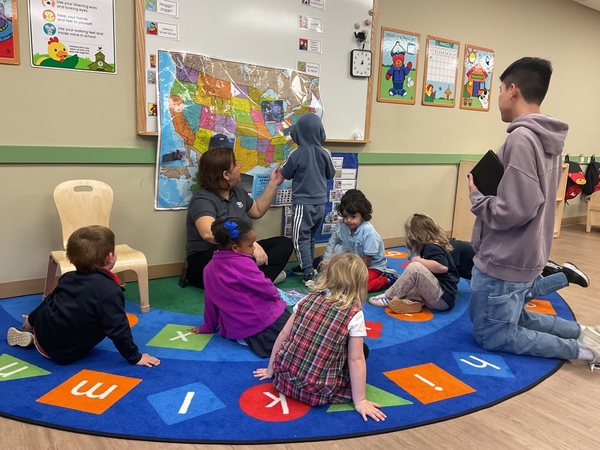
One advantage of living in Contra Costa County is the wide variety of preschool and kindergarten programs available. Although having options is beneficial, it can sometimes make the decision more difficult. Many parents find themselves reviewing multiple open house schedules over a lukewarm cup of coffee, trying to determine what makes one school different from another. This myspanishvillage.
## Public and Private Programs: Understanding the Differences
For families considering public kindergarten options, the Mount Diablo Unified School District serves much of Walnut Creek. Schools within the district operate according to California's academic standards and employ qualified educators. Most classes include approximately 20 to 24 students.
Private schools typically follow their own enrollment timelines and educational approaches. A number of private programs open registration in January for fall enrollment. Popular schools often fill quickly, leaving late applicants on waitlists.
A program’s educational approach can play a major role in the decision-making process. Some schools follow the Montessori method, while others emphasize play-based learning. Children in play-centered programs often learn through creative activities, exploration, and collaboration.
There are advantages to both Montessori and play-based learning environments. The key is determining which style aligns best with your child's personality and learning preferences.
## Age Guidelines for Preschool and Kindergarten Enrollment
For kindergarten admission in California, children typically must reach age 5 by September 1. Preschool programs commonly accept children between 2½ and 3 years old.
Every child develops at their own pace, and readiness is not the same for everyone. Some four-year-olds are eager and prepared for a structured environment, while others may need additional time to develop socially and emotionally.
Many parents focus on academic skills, but social readiness is equally important. For example, a child might excel academically but find daily transitions difficult. Understanding this distinction can help families make more informed enrollment decisions and set realistic expectations for the first few months of school.