What You Need to Know About DIY Epoxy Floors (And Why 9 out of 10 DIY Epoxy Flooring Projects Fail)?


On the surface, epoxy flooring seems straightforward. You have seen the video on YouTube — someone rolls it on in an afternoon, and the garage looks like a showroom the next day. The part those videos leave out is that three weeks later, the surface starts to lift, or the finish strips away completely when the first car drips oil on it. There is a reason professional installers can charge what they charge. Here is what it actually takes to do this correctly quality epoxy reviews
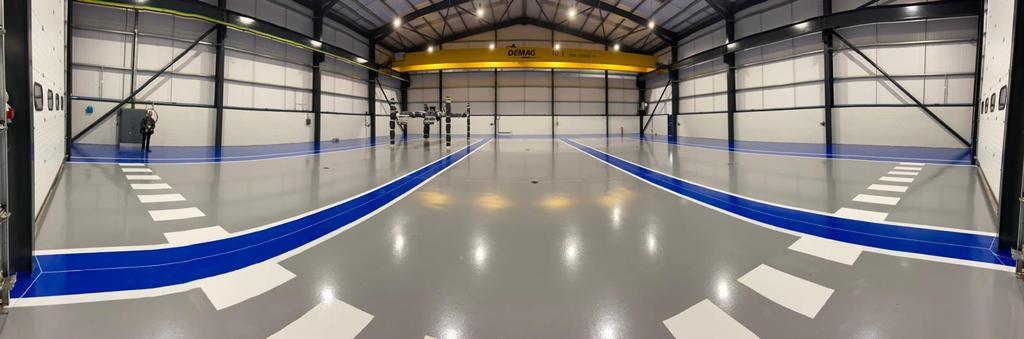
Most people skip surface preparation entirely.
The concrete must be thoroughly cleaned before any epoxy touches it. Not "just broom-clean. Properly degreased and profiled. Any grease, old paint, curing compounds, or efflorescence — and your epoxy will peel off in summer like a bumper sticker on a cheap car.
The gold standard is diamond grinding. Grinding the surface with the right equipment gives epoxy something to grip. Acid etching is an alternative, though messier and harder to control. Skip this step and you'll be repainting the floor in six months.
Moisture is the hidden enemy of epoxy. Slabs allow vapor to pass through them. With any liquid vapor rising through the slab — which is common in garages and basements — your epoxy will eventually delaminate. Always test first. Tape a plastic sheet to the concrete and leave it overnight to check for moisture. If moisture is present, you need an epoxy system with a moisture vapor barrier, or a waterproof primer applied first.
Mixing is not a casual step.
Two-part epoxy systems consist of resin and hardener. The ratio matters — 2:1 or 3:1 by volume — and eyeballing it is not an option. Too little hardener leaves the floor sticky and uncured. Excess hardener causes the mixture to set up in the bucket. You may not even finish rolling before the epoxy gels.
Mix with a proper paddle mixer. Blend the components for a full two to three minutes. Wipe down the inside walls and bottom of the container. Allow the mixed epoxy to rest for the manufacturer-specified induction time before applying. That waiting period is chemistry, not filler advice.
Weather conditions matter more than most people realize.
The environment plays a major role in how epoxy cures. Typical requirements call for air temps of 50–85°F and surface temps above 55°F. Apply in cold conditions and the material may not cure at all. High humidity causes blush, a milky surface contamination that blocks adhesion.
Garages and basements fluctuate. Conditions that are fine at noon might be problematic by morning when temperatures drop. Monitor the dew point temperature. The concrete surface should be at least 5°F above the dew point, or you will have adhesion problems.
The actual application process.
Cut in the edges with a brush first. Roll the open floor area with a 3/8" nap roller. Roll in manageable sections, maintaining a wet edge throughout. Move with purpose, not panic. Once the material begins to cure, it will not smooth out on its own.
A proper epoxy installation typically involves multiple coats. The base coat penetrates and bonds with the concrete. A second coat adds depth and completes the look. Decorative flake systems involve broadcasting chips into the wet coat, then scraping and topcoating. The final coat is often a polyurethane or polyaspartic topcoat rather than more epoxy, for UV stability and added protection.
Comparing polyaspartic and standard epoxy systems.
Polyaspartics offer quick cure times, UV stability, and cold-weather flexibility. They are also less forgiving, with pot lives as short as 20 minutes in warm conditions. Professionals love them. DIYers can find them difficult to manage. If you are a DIYer tackling your garage solo, a standard 100% solids epoxy will likely be more manageable.
Steps pros take that homeowners typically miss.
Pros verify coating thickness with proper tools. Controlled spreading ensures the right amount of material per square foot. The distinction between solid epoxy and water-based products is well understood by pros. Water-based epoxy products sold in hardware stores are closer to paint than industrial epoxy. They are more user-friendly, but sacrifice durability.
Surface cracks get attention before the first coat goes down. Smaller cracks get routed and patched flush with the surface. Structural cracks that show movement should be evaluated by a concrete repair specialist.
Waiting after installation is where most people make a costly mistake.
Light foot traffic after 24 hours is usually fine. For vehicles, the minimum wait is typically 72 hours. Drive on it too soon and you may leave tire marks that become permanent. The coating continues curing for a month. During this time, avoid aggressive chemicals and abrasive dragging.
Done right, an epoxy floor is a long-term investment. The reason it appears in demanding environments is because it delivers when installed correctly. The steps are not complicated — they are just precise. Skip the details and you will be back at square one sooner than you think.